

Collector Gemstones: The World's Most Coveted Stones
Some gemstones catch the eye; others capture the imagination for a lifetime. For jewellery collectors, the most desirable gemstones are those that combine exceptional beauty with rarity, history and provenance. Many come from mines that are now exhausted, while others are treasured because their colour or character is so extraordinary that it cannot easily be replicated.
As exceptional material becomes increasingly difficult to source, these gemstones continue to be admired by collectors and connoisseurs around the world.
From beautifully hand-cut old mine diamonds to the unmistakable glow of Paraiba tourmaline, velvety Kashmir sapphires and vivid natural spinels, these are some of the world's most fascinating collector gemstones, each with its own remarkable story to tell.
Antique Diamond Cuts
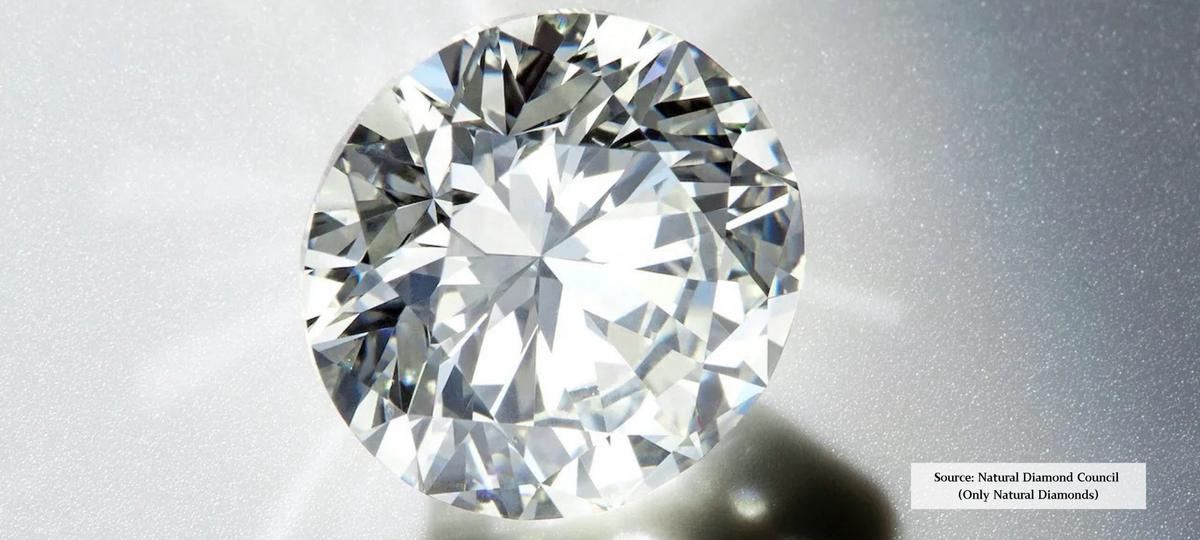
The term antique cut refers to historic diamonds fashioned before the precision of modern cutting techniques. Among the most romantic and characterful diamonds in the world, they were shaped entirely by hand, with cutters following the natural form of each rough crystal rather than striving for perfect symmetry. The result is a collection of beautifully individual diamonds, each with its own unique proportions, personality and timeless charm.
- Old Mine Cut – Designed to sparkle by candlelight, old mine cuts feature a high crown, small table, large culet and broad, chunky facets that produce flashes of colourful fire rather than the bright white brilliance associated with modern diamonds. Their softer, slower sparkle and unmistakable antique charm are exactly what make them so treasured by collectors today.
- Old European Cut – The invention of the bruting machine in 1873 transformed the craft by allowing cutters to create rounder, more symmetrical diamonds with greater precision. The old European cut emerged from this innovation, retaining the high crown and open culet of the old mine cut while introducing a distinctly round shape and more balanced proportions.
- Rose Cut – Rose cut is one of the earliest diamond cuts. With a flat base and a domed crown covered in triangular facets resembling the petals of a rose, it was designed to catch the soft glow of candlelight. Its understated sparkle and romantic character continue to captivate collectors and lovers of antique jewellery.
- Transitional Cut – As diamond-cutting techniques continued to evolve in the early 20th century, transitional cuts marked the final step between the old European cut and the modern round brilliant. Greater precision produced rounder, more symmetrical diamonds with improved light performance, while still preserving much of the warmth and character that define antique cuts.
- Modern Round Brilliant – Emerged in the early 20th century and was later refined through Marcel Tolkowsky's groundbreaking proportions in 1919. Engineered to maximise brilliance, fire and scintillation, its precise symmetry creates the bright, balanced sparkle that has become the modern standard, offering a distinctly different character from antique hand-cut diamonds.
Steeped in history, old cut diamonds are genuinely individual, no two were ever cut exactly the same. They also come in a beautiful range of warmer colour tones. Interestingly, they were graded differently too. Historic cutters focused on making the diamond appear as white as possible when viewed from the top, whereas modern grading assesses colour from the side (through the pavilion). This is one reason antique diamonds often appear brighter than their modern colour grade might suggest.
Whether restored in an antique setting or reimagined in a bespoke design, these remarkable diamonds offer a timeless beauty and character that modern precision simply cannot replicate.
Paraiba Tourmaline
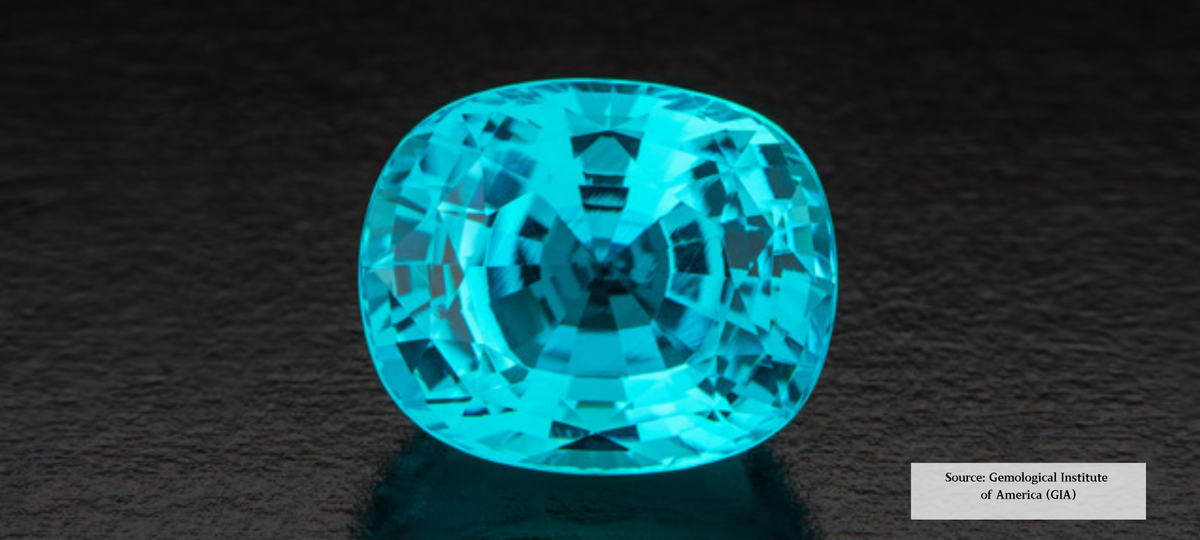
Few gemstones are as instantly recognisable as Paraiba tourmaline. Famous for its extraordinary neon blue-green glow, it is one of the most exciting and collectible gemstones in the world.
- Brazilian Paraiba Tourmaline – The story of Paraíba tourmaline began in the hills of Paraíba, Brazil, where miner Heitor Dimas Barbosa spent years searching for a gemstone he believed lay hidden beneath the earth. In 1989, his determination was rewarded with the discovery of a vivid copper-bearing tourmaline unlike anything the world had seen before. Its electric colour transformed the coloured gemstone market almost overnight, and the limited yield from the original Brazilian deposits has made exceptional stones among the most valuable and sought-after by collectors today.
- Paraiba-Type (Cuprian) Tourmaline – Copper-bearing tourmalines from Mozambique and Nigeria share the same remarkable chemistry and vibrant glow as the Brazilian originals. As genuine Brazilian Paraíba tourmalines have become increasingly scarce, these beautiful gemstones have become highly desirable in their own right, offering collectors exceptional colour at a more accessible price point.
- New Discoveries – Ethiopia has also produced promising copper-bearing tourmalines in recent years, adding another exciting source for collectors to watch as the story of this extraordinary gemstone continues to evolve.
Sapphires
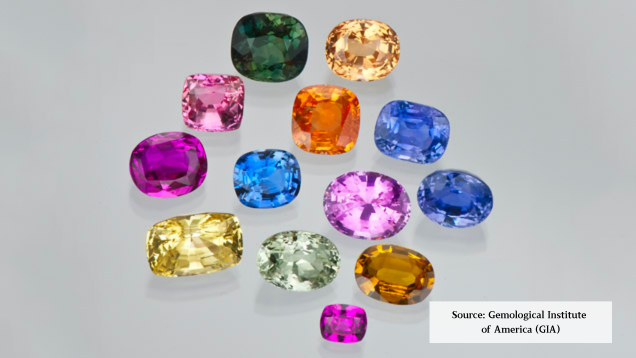
Few gemstones have captivated collectors for as long as sapphires. Their rarity, colour and provenance make certain varieties especially desirable, while treatments and certification can have a significant impact on value.
- Kashmir Sapphire – Mined between the 1880s and 1930s, Kashmir sapphires are famed for their velvety cornflower blue colour. With the mines now largely exhausted, genuine Kashmir stones are exceptionally rare and command some of the highest prices of any sapphire.
- Royal Blue Sapphire – The classic sapphire colour, prized for its rich, vivid blue and timeless appeal. Fine natural examples remain among the most sought-after gemstones in the world.
- Lilac Sapphire – A softer, more unusual variety with delicate violet-lilac tones, perfect for collectors looking for something distinctive and less traditional.
- Soft Yellow Sapphire – Elegant and understated, yellow sapphires have grown in popularity thanks to their warm, sunny colour and versatility in jewellery.
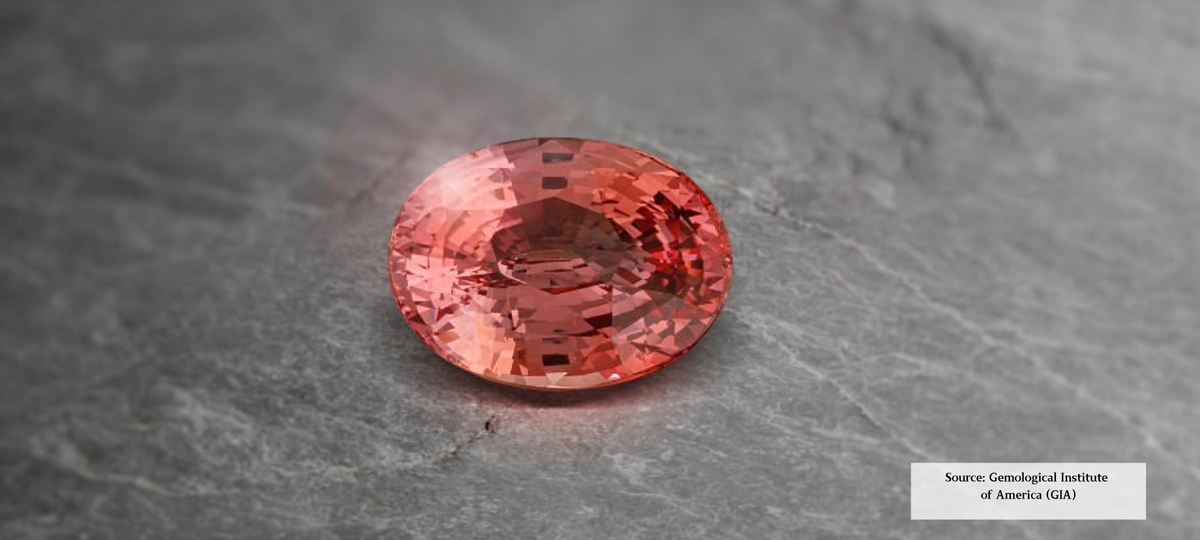
- Padparadscha Sapphire – One of the rarest sapphire varieties, recognised for its delicate blend of pink and orange. Named after the Sinhalese word for the lotus blossom, it has long been associated with Sri Lanka and is highly prized by collectors.
Treatments
- Heat Treatment – Heat treatment is common market practice and widely accepted within the jewellery industry. However, untreated ("no heat") sapphires are considerably rarer and command a significant premium. They should be accompanied by certification from respected laboratories. Heat treatment can help improve colour and disperse certain inclusions and even remove 'silk like inclusions'
- Beryllium Treatment – A diffusion process used to enhance or introduce colour, particularly in orange and yellow sapphires. While acceptable when fully disclosed, these stones are generally considered far less desirable than naturally coloured or untreated sapphires and as a gemstone collector these are to be avoided.
Garnets
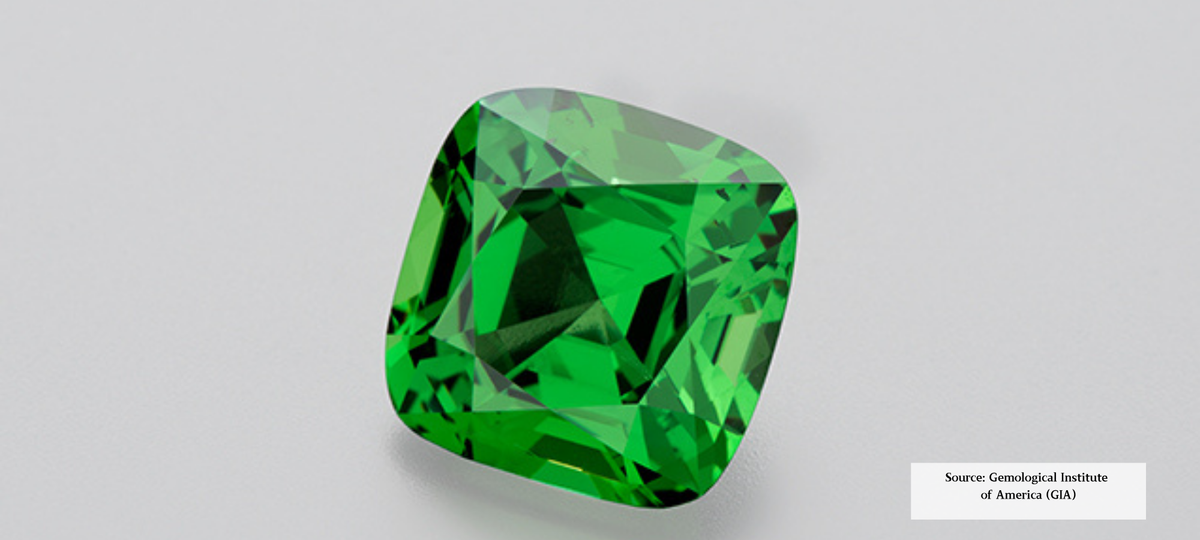
While garnets are often associated with deep red gemstones, some of the rarest and most collectible varieties are vibrant green. Among the most prized are tsavorite and demantoid garnets, both admired for their rarity, natural beauty and exceptional brilliance.
- Tsavorite Garnet – An intensely green garnet discovered in Kenya and Tanzania during the late 1960s by geologist Campbell R. Bridges and named after Tsavo National Park. Its vivid green colour comes naturally from vanadium and chromium, and unlike emerald, it is typically untreated. Rough is rarely found in large sizes, making stones over two carats especially collectible.
- Demantoid Garnet – A rare green garnet historically mined in Russia's Ural Mountains, renowned for its exceptional fire, even greater than that of diamond. Collectors look for the distinctive "horsetail" inclusions, which are considered a mark of quality and Russian origin rather than a flaw.
Spinel
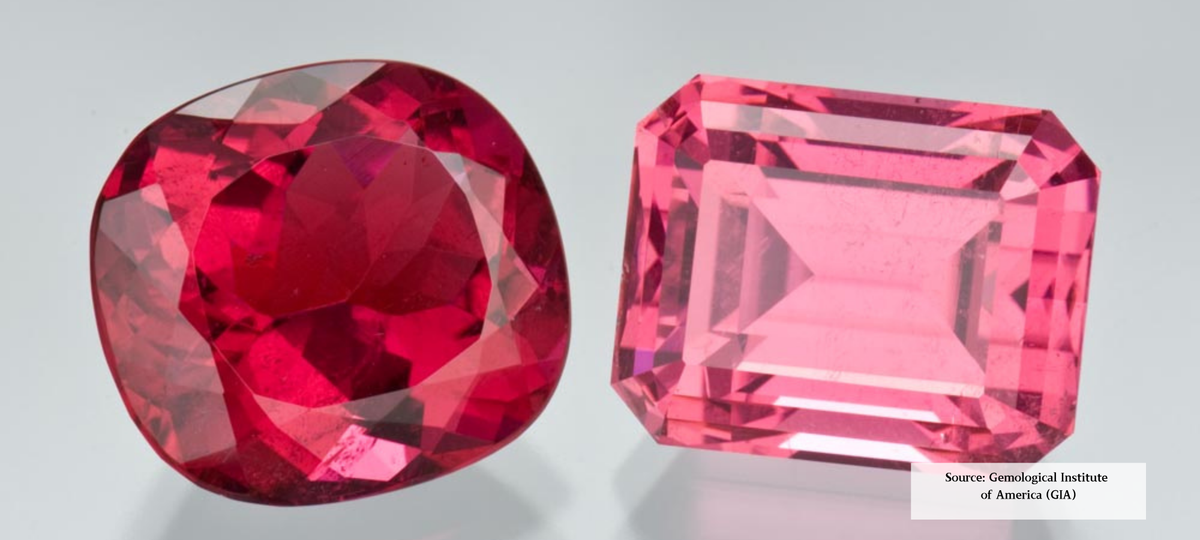
Spinel is having a real moment, with collectors increasingly drawn to its vibrant natural colours and rarity. The larger the stone, the more collectible it becomes, with notable sources including Burma, Tanzania and Thailand.
- Red Spinel – Historically mistaken for ruby, several famous "rubies" in royal crown jewels, including the Black Prince's Ruby in the British Crown Jewels, are actually spinel. Fine red spinels, particularly from Burma, are among the most sought-after varieties.
- Mahenge Spinel – Discovered in Tanzania, Mahenge spinels are celebrated for their extraordinary neon pink colour and have become one of the most desirable collector gemstones in recent years.
- Blue & Lilac Spinel – Cobalt blue and delicate lilac spinels are increasingly popular for their vibrant, natural colour and exceptional rarity.
- Natural Beauty – Unlike many coloured gemstones, fine spinels are rarely treated, making their remarkable colours entirely natural, one of the many reasons they have become so popular with collectors.
Explore
Collector Pieces


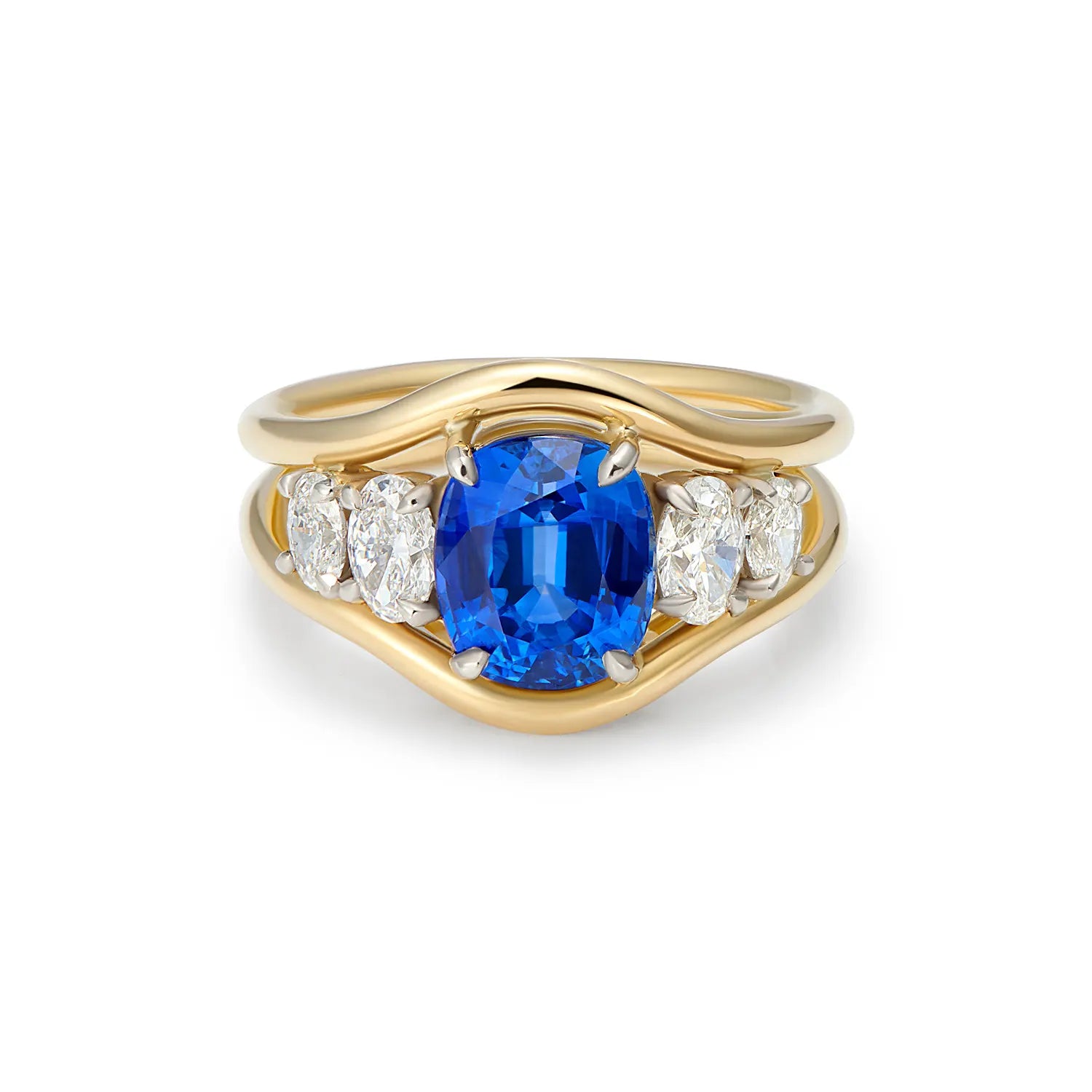
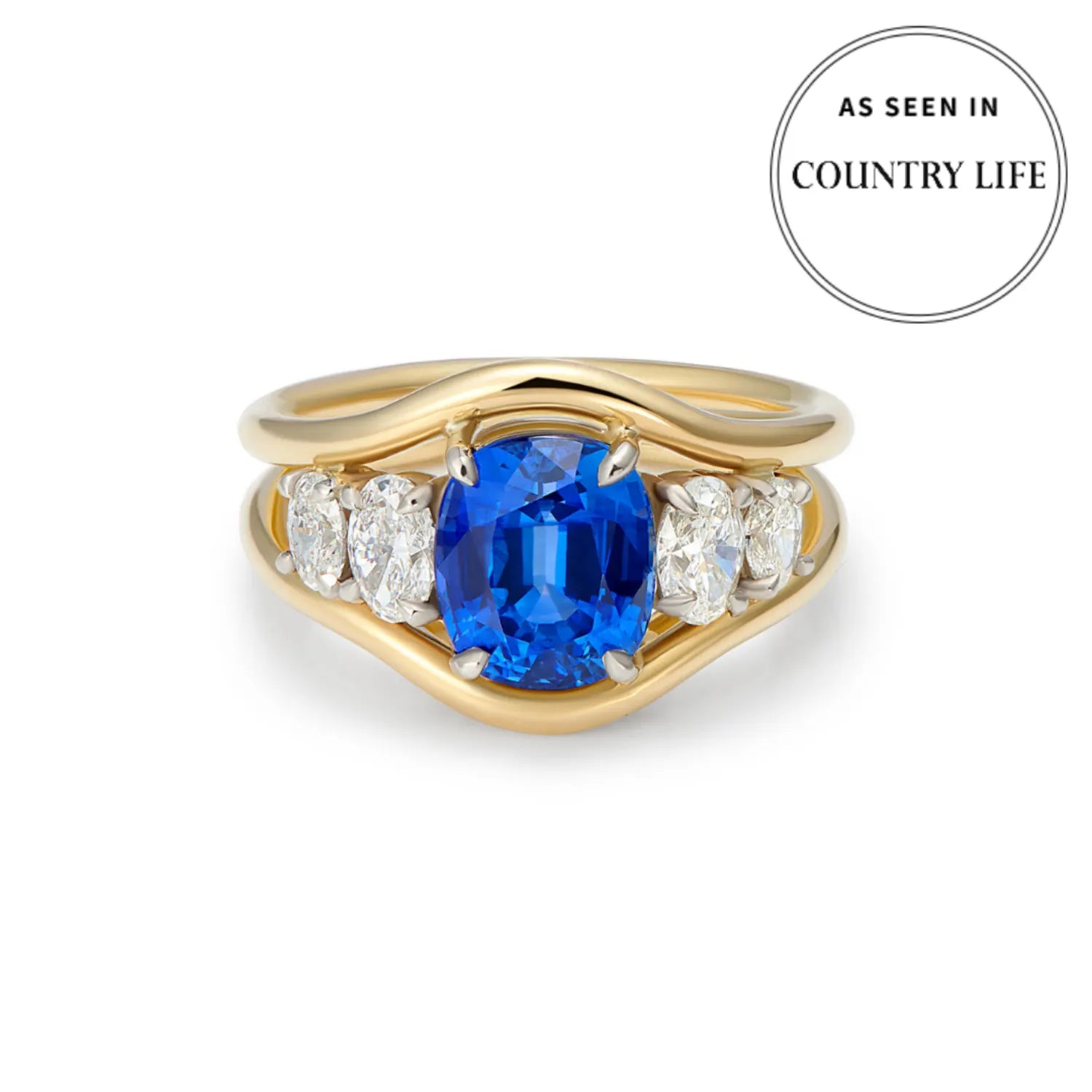


For collectors and jewellery lovers alike, these exceptional gemstones represent history, craftsmanship and nature at its very best. As supplies become increasingly limited and demand continues to grow, their enduring appeal shows no sign of fading.
If you're searching for a truly exceptional gemstone or would like to create a bespoke piece featuring one of these remarkable treasures, we'd love to help. Explore our collection or get in touch to discuss creating a one-of-a-kind piece that will be cherished for generations.
Read More

There are some trips that are about work, and others that leave you feeling inspired long after you return home. My recent trip to Paris was a little of both. I was in Paris to visit my pearl suppl...
Read more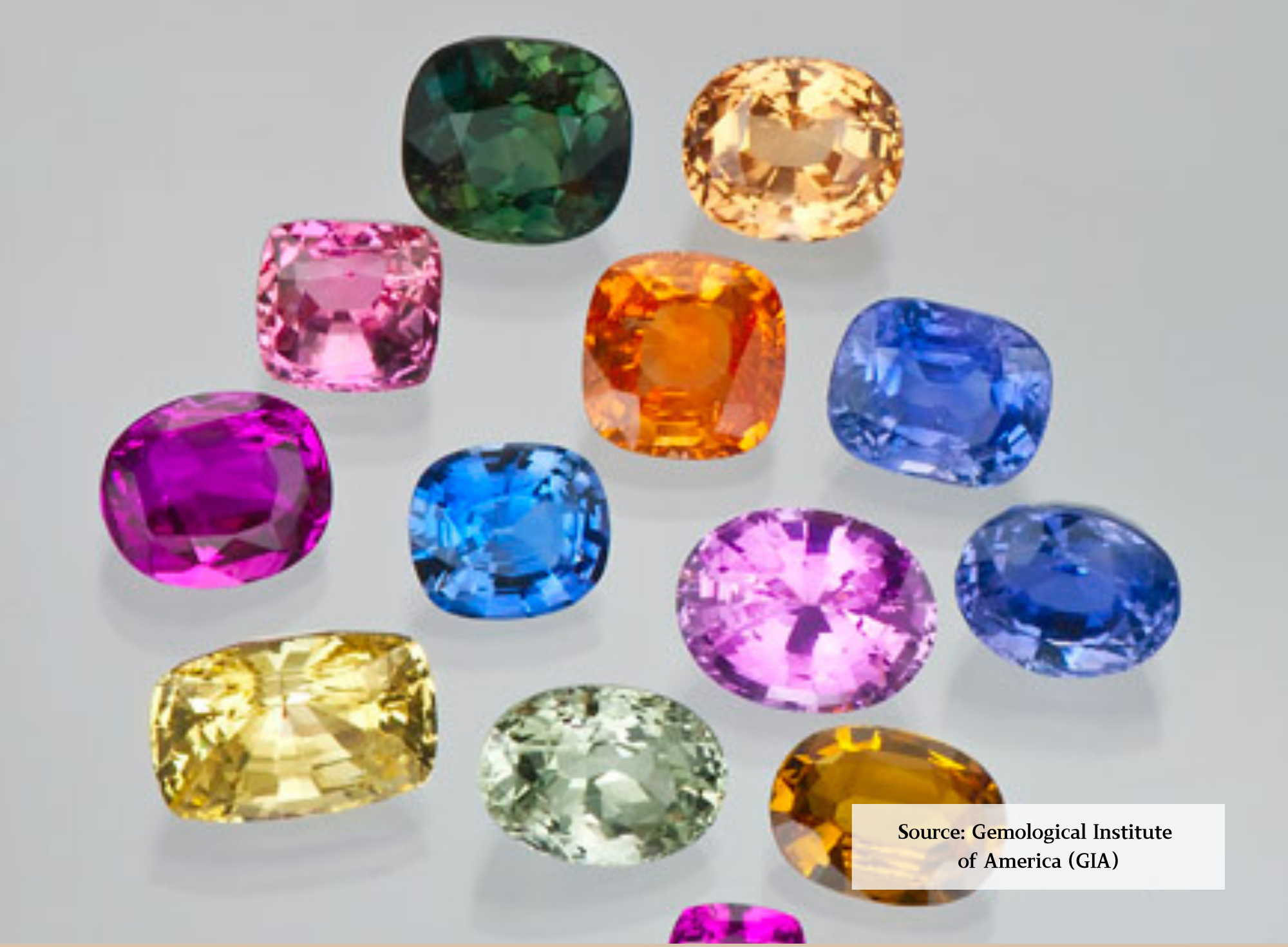
Collector Gemstones: The World's Most Coveted Stones
Some gemstones catch the eye; others capture the imagination for a lifetime. For jewellery collectors, the most desirable gemstones are those that combine exceptional beauty with rarity, history an...
Read more
Sapphire vs Diamond Engagement Ring: Honestly, Which Should You Choose?
If you're torn between a sapphire and a diamond for your engagement ring, you're in good company. It's one of the questions I get asked most, and I genuinely love this conversation ‚ because the an...
Read more